Cessna Nose Gear Strut Assembly: General Aviation Steering and Support System
Cessna Nose Gear Strut Assembly: General Aviation Steering and Support System
Blog Article
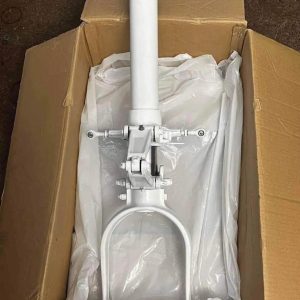
The Cessna Nose Gear Strut Assembly is an important landing-gear component designed to support the forward section of a compatible aircraft during taxiing, takeoff, landing, parking, towing, and routine ground operations.
The Cessna Nose Landing Gear Strut, Cessna Nose Gear Assembly, Cessna Landing Gear Strut, and Cessna Nose Strut descriptions identify closely related searches for the aircraft’s forward landing-gear structure.
Clear descriptions help buyers determine whether the listing includes a complete assembly, partial strut, housing, piston, fork, or related hardware.
The Cessna Nose Gear Shock Absorber, Cessna Landing Gear Assembly, Aircraft Landing Gear Strut, and Cessna Nose Wheel Strut phrases highlight the component’s role in supporting loads and controlling ground impacts.
The Cessna Steering Strut Assembly, Cessna Replacement Nose Gear, and General Aviation Landing Gear Parts keywords describe commercially relevant searches for maintenance and restoration projects.
Key Details of an Aircraft Nose Strut
A unit should not be accepted as compatible solely because it came from an aircraft within the same general Cessna family.
Missing components can significantly affect total project cost and installation planning.
Structural Support and Aircraft Load Management
The nose gear supports a portion of the aircraft’s ground weight and transfers loads into designated airframe attachment points.
A replacement strut cannot correct damaged airframe attachment points or distorted landing-gear geometry by itself.
Shock Absorption and Strut Compression
Complete functional evaluation is more reliable than visual appearance alone.
Servicing values should come from applicable maintenance information rather than estimates based on another Cessna model.
Evaluating Ground Steering Geometry
The steering system should be evaluated as a complete arrangement rather than through the strut alone.
Excessive turning can damage linkage, hoses, fairings, fork components, or internal strut features depending on the design.
Matching the Strut to a Specific Cessna Aircraft
The phrase Cessna Nose Gear Strut Assembly should not be interpreted as compatibility with every Cessna aircraft.
The complete receiving-aircraft configuration should be reviewed before purchase.
Evaluating the Cessna Nose Strut Body
The strut cylinder and piston surfaces should be examined for scoring, corrosion, pitting, scratches, impact marks, discoloration, and evidence of improper tool use.
Internal wear can result from contamination, damaged seals, misalignment, corrosion, or prolonged operation with incorrect servicing.
Inspecting the Nose Gear Strut for Leaks
A small film of fluid and an active leak should be distinguished using applicable maintenance guidance.
Professional service supports reliable shock absorption and reduced maintenance recurrence.
Corrosion and Environmental Exposure
Landing gear components are exposed to water, runway contaminants, cleaning products, salt, dirt, chemicals, and changing environmental conditions.
Protective coatings should be checked for chips, lifting, abrasion, bubbling, poor adhesion, and incompatible refinishing.
Evaluating a Used Cessna Nose Gear
The absence of obvious damage in photographs does not establish structural integrity.
The seller should disclose the donor aircraft’s removal reason and known incident history.
Understanding Included Landing Gear Components
The wheel fork should be inspected for cracks, bending, corrosion, damaged mounting points, distorted axle bores, and signs of side loading.
Used hardware should not be reused automatically without applicable inspection.
Inspecting Landing Gear Articulation Components
Tightening hardware alone may not correct worn bushings or elongated holes.
Pivot points should move freely without binding while remaining within acceptable play limits.
Reducing Repetitive Landing Gear Wear
Replacing the strut assembly alone may not correct the concern if other components remain defective.
A new tire can mask but not correct underlying geometry problems.
Avoiding Incorrect Landing Gear Servicing
The strut should be serviced using clean equipment and controlled procedures.
Repeated pressure loss should prompt leak investigation rather than continual inflation.
Overhaul and Reconditioning Considerations
An overhaul Aircraft Landing Gear Strut may include complete disassembly, cleaning, dimensional inspection, crack inspection, corrosion evaluation, seal replacement, surface review, reassembly, servicing, and functional checks.
A professionally overhauled unit should remain connected with the correct part and serial information.
Cessna Front Gear Condition Review
Any uncertainty regarding fitment, impact history, corrosion, leakage, repairs, or package completeness should be resolved before shipment.
- Resolve identity, applicability, condition, and package-completeness questions before payment.
- Review the history for hard landings, runway excursions, towing incidents, shimmy, tire failure, overload, storage exposure, freight damage, and structural repair.
- Report shipping damage, missing components, identification differences, undisclosed repairs, corrosion, leakage, or dimensional concerns promptly.
Preventing Damage to the Piston and Fork
Professional packaging helps preserve the condition of the Aircraft Nose Gear Strut.
Forks and mounting features should not be used as uncontrolled lifting points unless approved for handling.
Preparing a Stored Assembly for Service
The assembly should not rest directly on delicate fittings, the axle threads, polished surfaces, or unstable supports.
Preservation materials should be removed through appropriate procedures.
Connecting Steering and Structural Components
Incorrect bolts, improvised spacers, damaged threads, or forced alignment should not be accepted.
Fasteners should be installed, tightened, secured, and documented according to applicable procedures.
After installation, technicians should verify strut extension, servicing, leakage, steering response, wheel alignment, hardware security, tire clearance, and freedom of movement.
Routine Inspection and Preventive Maintenance
Consistent care supports dependable Cessna Nose Landing Gear Strut operation.
The nose gear should receive additional inspection after a hard landing, runway excursion, towing incident, tire failure, severe shimmy, obstacle strike, or abnormal ground handling event.
Buying a Replacement Landing Gear Strut
Assemblies with clear photographs, complete records, transparent removal history, and identified components are easier for professional buyers to assess.
Buyers should compare complete and documented packages rather than price alone.
Selecting General Aviation Landing Gear Parts
The Cessna Nose Gear Strut Assembly offers stronger commercial value when its part number, removal history, inspection status, overhaul records, included hardware, and documentation are described accurately.
The assembly should be evaluated with the receiving aircraft’s structure, steering, wheel, tire, alignment, servicing, and installation requirements in mind.
Whether maintenance teams are sourcing a Cessna Steering Strut Assembly, Cessna Replacement Nose Gear, or General Aviation Landing Gear Parts, professional inspection and installation should precede operational use.
With prompt attention to leakage, scoring, corrosion, shimmy, tire wear, loose bushings, steering play, impact events, and abnormal compression, the installation can preserve its operating potential.
Report this page